Rose is the most-used floral in modern perfumery, and the one note that almost every serious fragrance house has tried to make its own. It can read as fresh and dewy, deep and jammy, smoky with oud, sparkling with fruit, or quiet enough to wear to a Monday meeting. In 2026 the rose category is unusually rich. Parfums de Marly Delina has been a hit for years, but new launches from Maison Margiela, Penhaligon’s, and the Arabic perfumers keep pushing the note in different directions. If you have always associated rose with old-fashioned powder, or with one specific bottle that put you off the note, this is the right moment to look again.
What Rose Actually Is
Most rose perfumes are built around one of three raw materials. Damascena rose (Rosa damascena, mostly grown in Bulgaria, Turkey, and Iran) is the workhorse of the category, harvested at dawn and steam-distilled into the rich, slightly honeyed absolute that anchors most fine fragrance. Centifolia rose (Rosa centifolia, grown in Grasse, France) is the May rose of Chanel No. 5, slightly fruitier and greener, almost a different ingredient. Taif rose (Rosa damascena grown at altitude in Saudi Arabia) is the rarest, with a tea-like freshness that suits modern, light-touch compositions. Each variety has its own character, and a perfumer who knows the difference can pick the one that matches the brief. Most bottles on the shelf today are reconstructed blends rather than pure absolutes, which is what makes them affordable and still recognisably rose.
Why Rose Is the Heart of Modern Perfumery
A few reasons. Rose has more body than almost any other floral: it sits comfortably in the heart of a fragrance, but its deeper, almost wine-like facets can carry the base as well. It blends with everything — citrus, woods, musk, oud, vanilla, leather, spices — without losing its own voice. And, unlike a single-origin citrus or a hyper-real aquatic, rose can be shaped to feel romantic, sharp, modern, or traditional. That versatility is why rose appears in more launches each year than any other floral, and why learning how to wear it well pays off across the rest of your fragrance wardrobe.
Three Styles of Rose Fragrance
Rose behaves very differently depending on what surrounds it. Three families dominate the modern market.
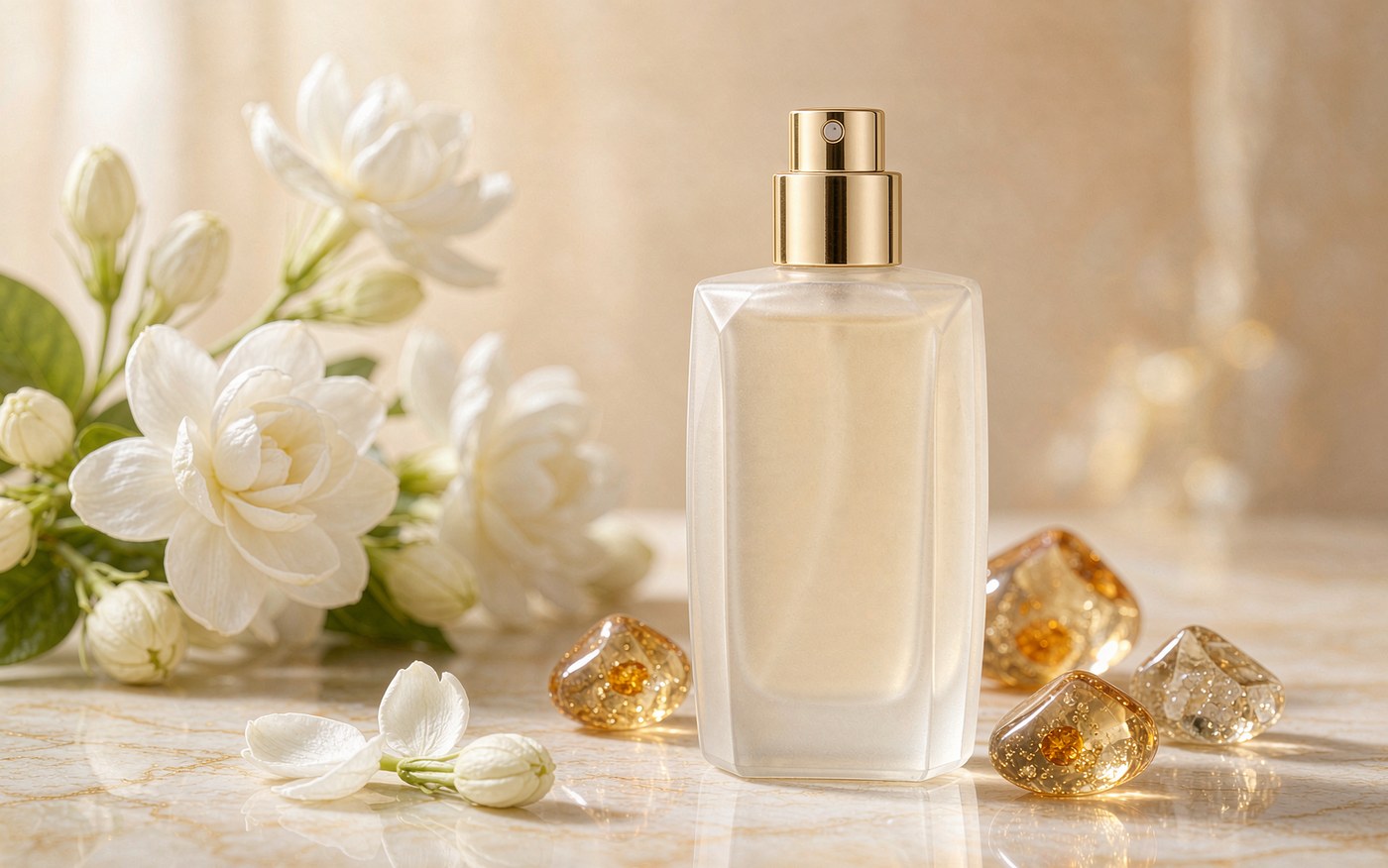
- Soliflore and rose-led. A single rose, or a rose built around other white florals. Light, dewy, easy to wear. The category to start with if you are new to the note, or if you want a fragrance that works in any season.
- Rose with fruit and musk. Lychee, peach, raspberry, or pear, layered over a creamy rose base with white musk. Modern, youthful, and the family that built Delina’s reputation.
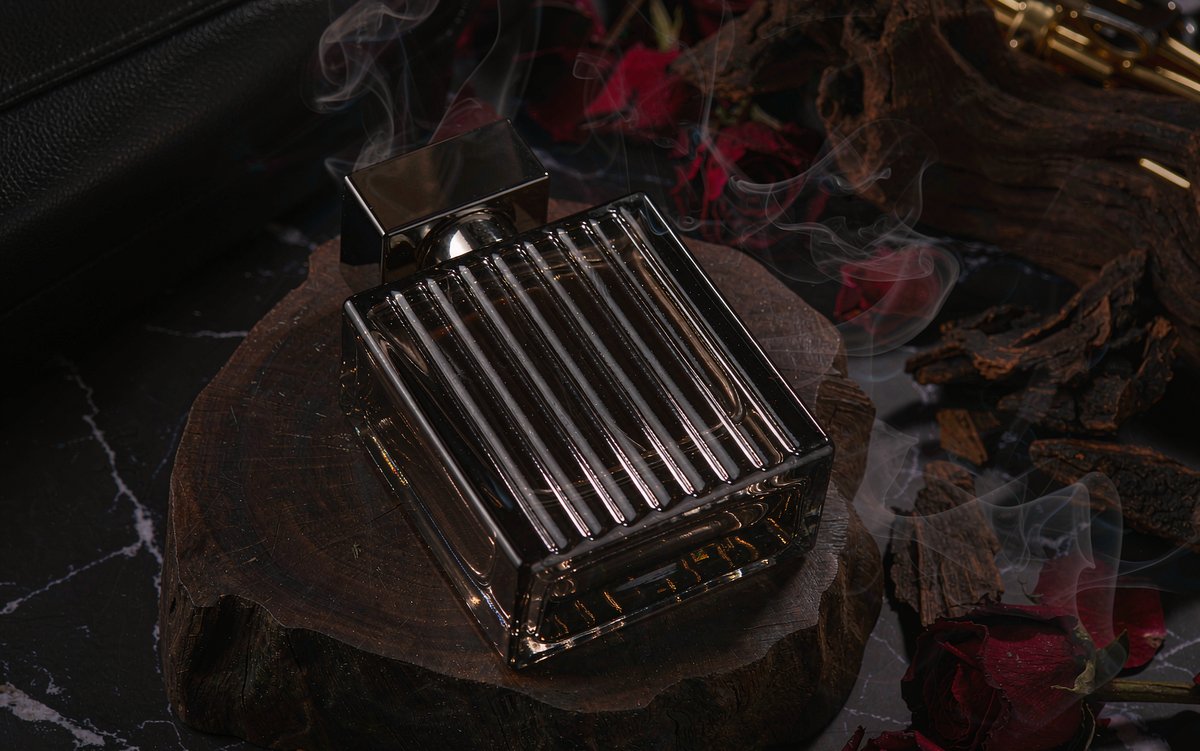
- Rose with oud, leather, or spice. The most powerful style. The rose becomes darker, smokier, and more sensual. Arabic perfumery has owned this territory for centuries, and the best Western niche lines now build their most striking bottles around it.
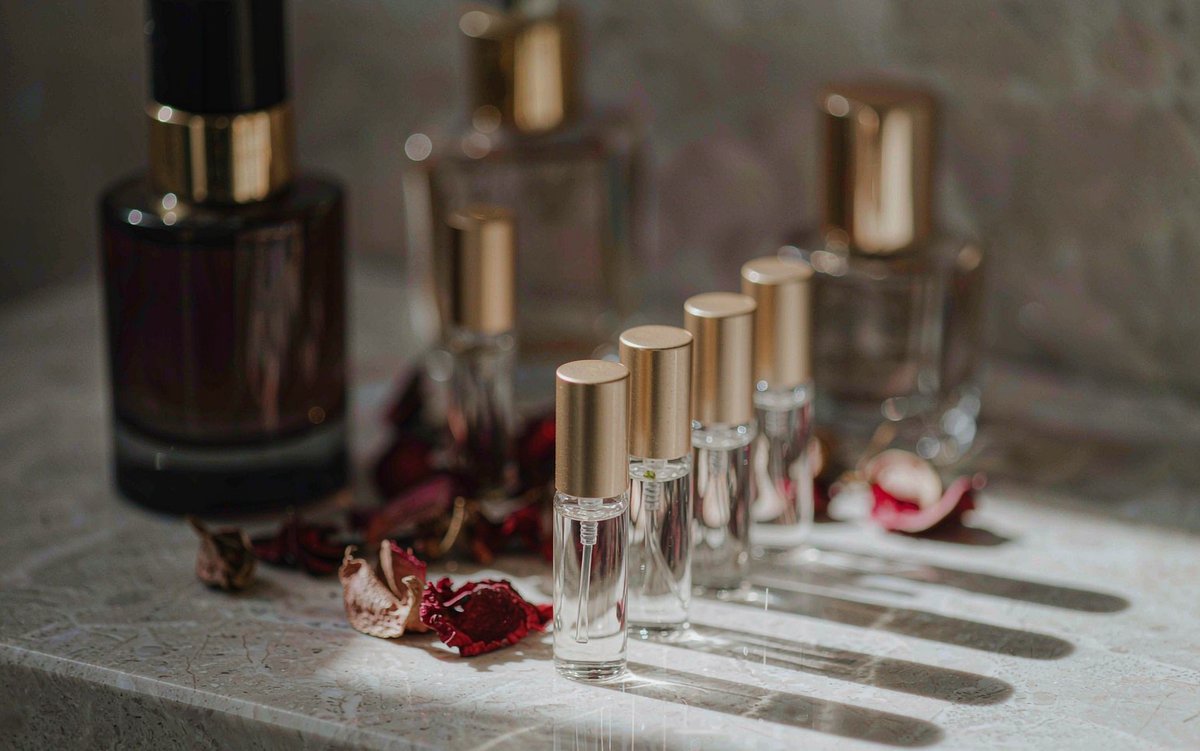
Five Rose Fragrances Worth Starting With
You only need one great rose to anchor a rotation. These five cover the spectrum from gentle to bold, and each is currently available on our shelves.
- Parfums de Marly Delina. The reference point for the modern rose. Bergamot, lychee, and pear on top give it a sparkling fruit opening; Turkish rose, peony, and violet form a creamy heart; the base of white musk, vanilla, and cashmeran leaves a soft, lasting trail. Launched in 2017 by perfumer Quentin Bisch, it is still the bottle the rest of the category is measured against.
- Maison Margiela Shakespeare Rose (2026). A modern, artistic take on the soliflore. Cool, slightly green, almost watery at the opening, then settling into a clean, powdery rose that wears beautifully through the day. The most contemporary of the five.
- Jo Malone London Taif Rose. A single-note composition built around the Taif rose. Light, tea-like, and surprisingly long-lasting. The right bottle for a warm-weather office, or for anyone who finds traditional rose too heavy.
- Penhaligon’s Black Rose Leather. The leather-rose camp at its most wearable. Damask rose wrapped in suede, smoked woods, and a touch of patchouli. Distinctive without being aggressive, and the kind of bottle that earns compliments on cold evenings.
- By Kilian Rose Oud. A serious rose with the depth of Arabic perfumery. Bulgarian rose and saffron over a deep oud base, finished with sandalwood and amber. Unapologetic, long-lasting, and a clear choice if you want a rose with presence.
How to Wear Rose Well
Rose is more forgiving than it looks, but a few habits help it perform better.
- One spray per pulse point is usually plenty. Two is plenty for the heavier oud-rose and leather-rose styles.
- Apply to moisturised skin. Rose oils grip hydrated skin and slip off dry skin, which is why the same bottle smells stronger on one wearer and softer on another.
- Save the bold styles — Rose Oud, Black Rose Leather, Opus III Rose — for evenings and cooler months. Soliflore and rose-with-musk compositions work year-round and survive an office without effort.
- Layer a rose fragrance with a vanilla or sandalwood balm on the wrists. The base thickens, the trail lengthens, and the rose reads even softer against skin.
One Bottle to Start With
If you only add one rose to your rotation this year, let it match the way you actually wear fragrance. Reach for Jo Malone Taif Rose if you want a clean, single-note bottle for daytime. Reach for Parfums de Marly Delina if you want one rose that does everything from a meeting to a date. Reach for Penhaligon’s Black Rose Leather if you need a serious bottle for evenings. Reach for By Kilian Rose Oud if you want a fragrance with real presence. Browse our full fragrance catalogue to explore rose bottles across every style and price point, including Parfums de Marly, Maison Margiela, Jo Malone London, Penhaligon’s, By Kilian, Amouage, Atkinsons, Xerjoff, and Jean Paul Gaultier.