
Wearing two fragrances at once sounds risky. Most of us have been told to keep it simple — choose one bottle, stick with it, and let it speak for itself. But layering, the deliberate practice of combining two scents to create something more personal, is one of the most effective ways to make a fragrance feel truly yours, and to make it last longer. The trick is doing it without ending up smelling like a perfume counter.
What Layering Actually Is
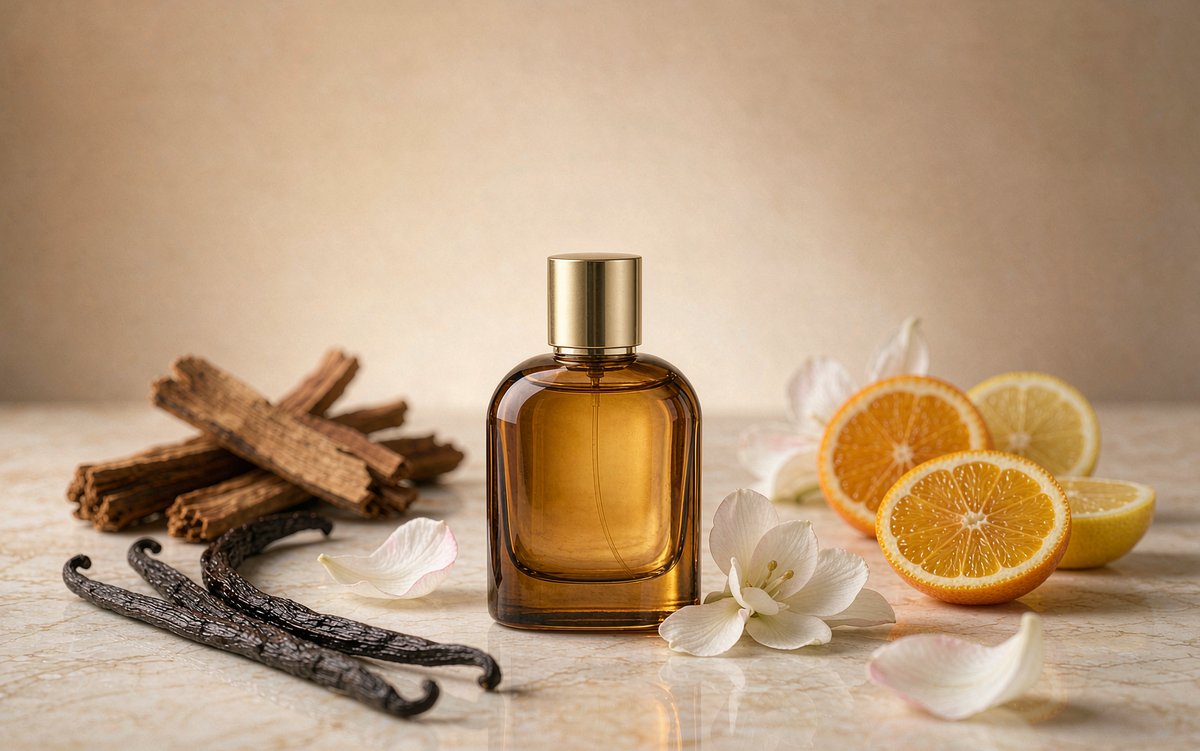
Layering is wearing two fragrances together: usually one as the main scent and the other as a quieter companion. The goal is not to smell like more. The goal is to smell like one fragrance with more depth, more warmth, and a longer trail. Done well, it adds character. Done badly, it just adds noise.
The Two Easiest Ways to Start
If you have never layered before, two approaches work better than anything else.
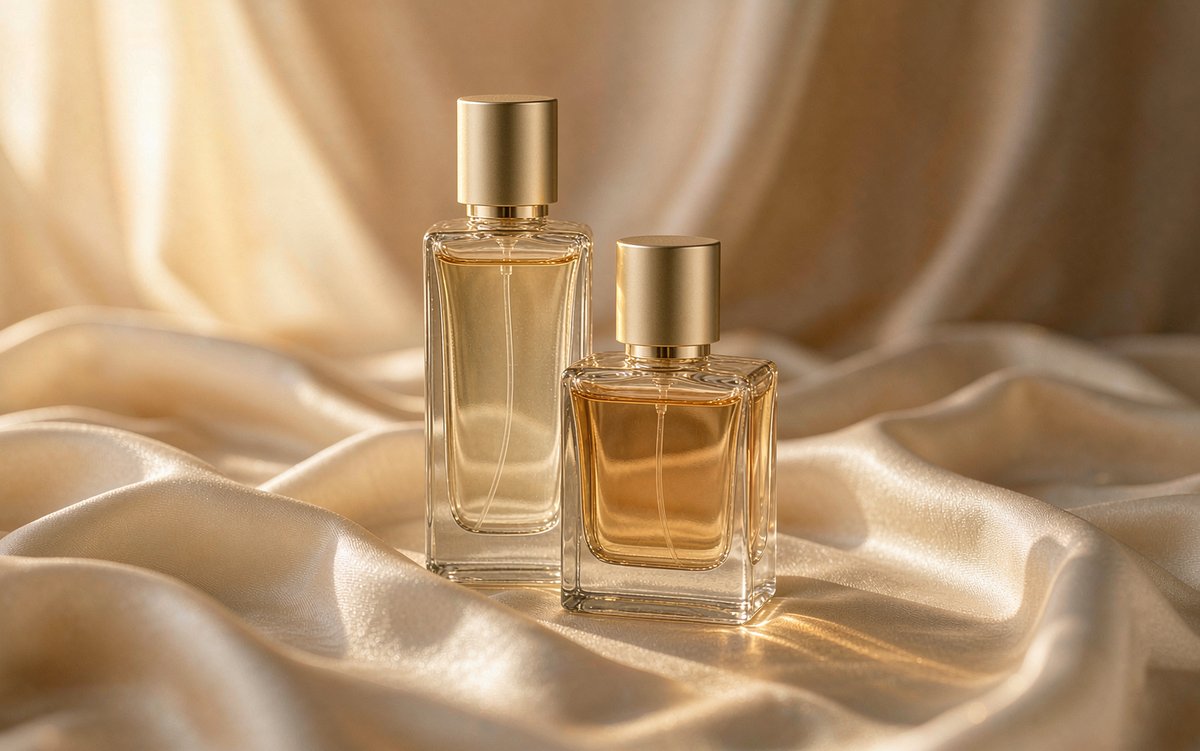
- Same-house layering. Combine two fragrances from the same brand. Houses design their lines to sit together, so the molecules tend to blend instead of clash. A Casamorati vanilla layered with a Casamorati floral usually behaves; the same vanilla layered with an unfamiliar designer scent often does not.
- Same-family layering. Pick two scents from the same family — both woody, both gourmand, both fresh — and let them reinforce each other. The room reads a single impression rather than two separate events.
Mixing wildly different directions, such as a heavy oud against a sharp cologne, almost always ends in muddle.
Rule 1: Stay in the Same Family
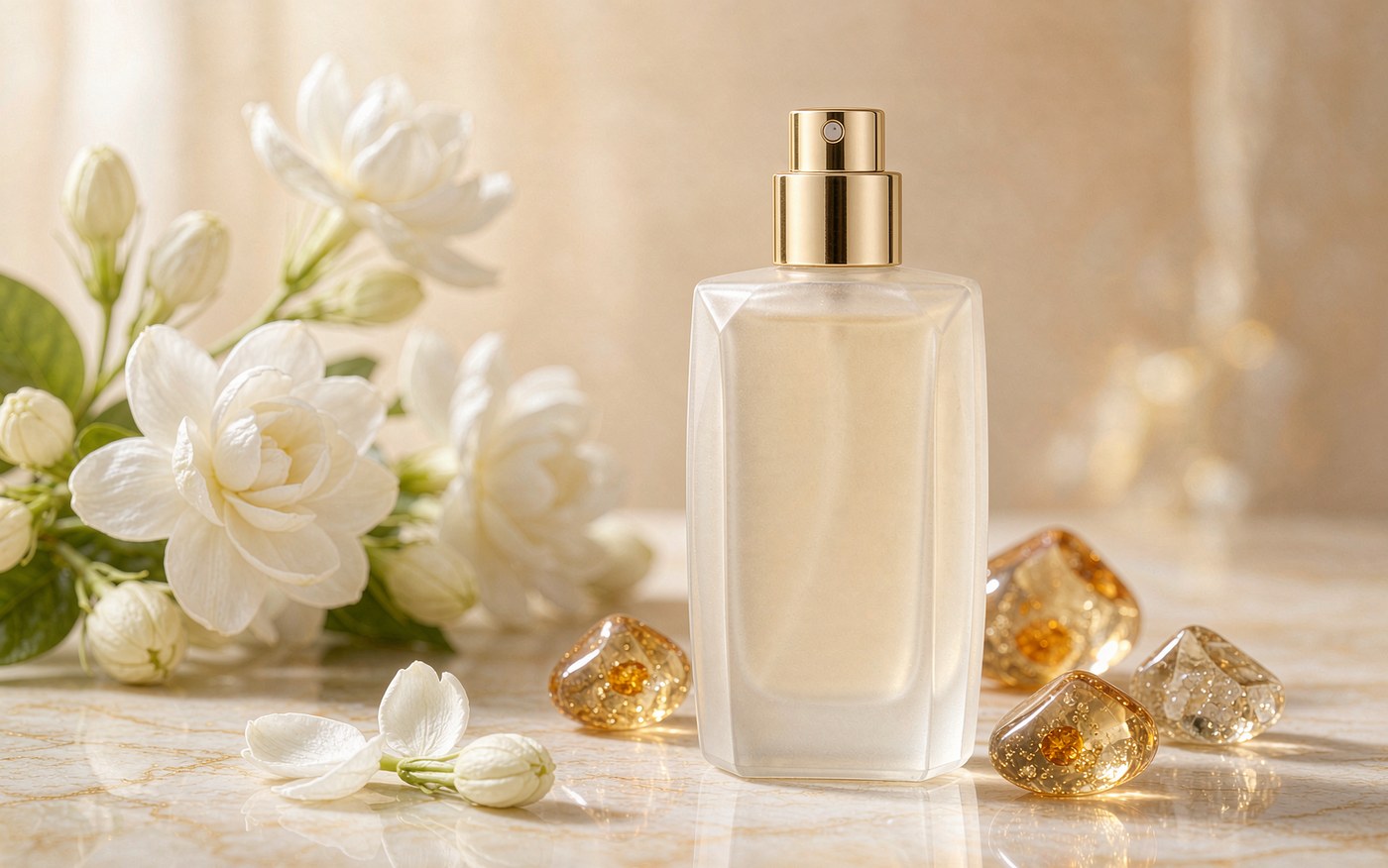
Fragrance families exist for a reason. A floral layered with a clean musk reads as one extended scent. A floral layered with a sharp leather reads as two strangers sharing the same elevator. When the family matches — woody with woody, gourmand with gourmand, fresh with fresh — the scents melt together. You get depth without confusion. The cleanest example is a soft jasmine and amber blend, where neither note dominates but both feel richer for the company.
Rule 2: One Bottle Leads, the Other Backs It Up
The most common mistake is treating both fragrances as equals. Pick one as the anchor — usually the louder, longer-lasting of the two — and apply it on your pulse points as you normally would. The second fragrance becomes the spark. A single spray on a less warm area (the back of the neck, the collarbone) adds a second layer of interest without competing. This is also where a lightly scented body lotion from the same house can do quiet work beneath the surface, extending the trail without announcing it.
Three Combinations That Almost Always Work
If you want a safe starting point, these pairings are hard to mess up.
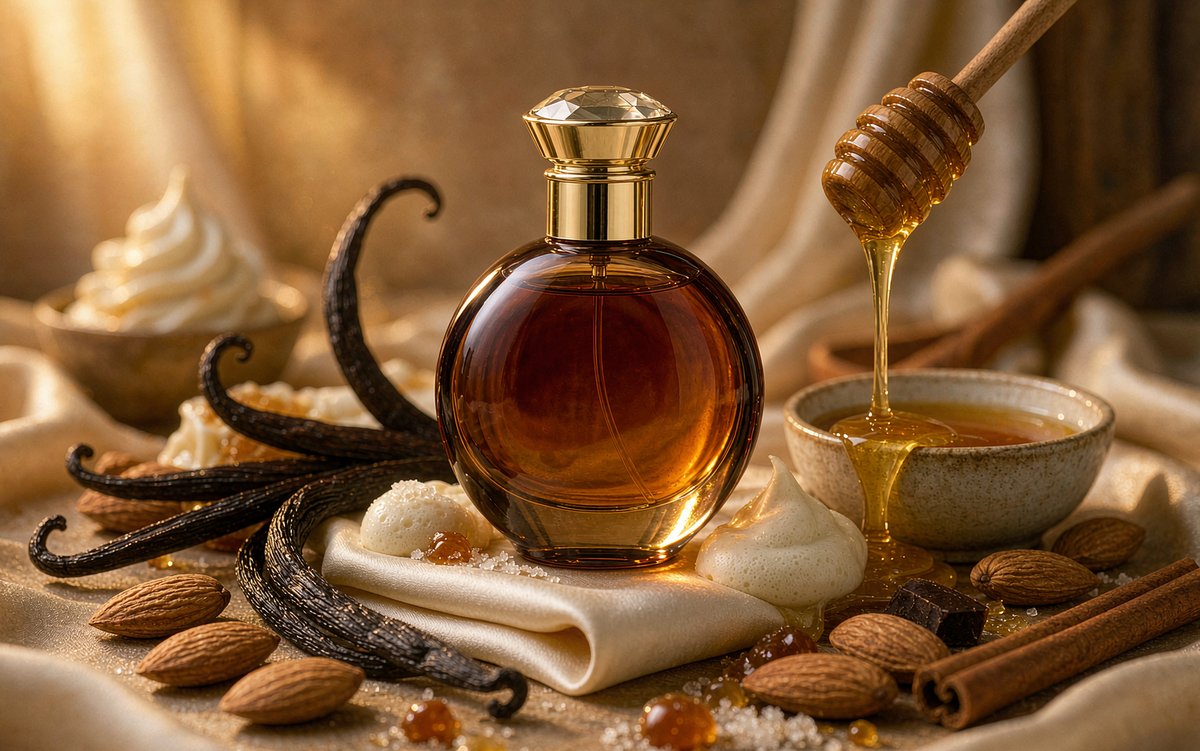
- Warm gourmand base. A vanilla-forward Casamorati or Amouage extrait layered with a soft white musk. The gourmand brings richness; the musk gives it skin.
- Clean floral plus citrus. A Guerlain or Jo Malone London floral layered with a sheer citrus cologne. The floral carries the daytime impression; the citrus adds the lift.
- Bold oud plus smooth wood. Versace Black Oud or Al Haramain Amber Oud layered with a smoother woody bottle. The oud makes the statement; the wood rounds the edges.
Swap, sample, refine. That is where layering becomes personal.
Test Before You Commit
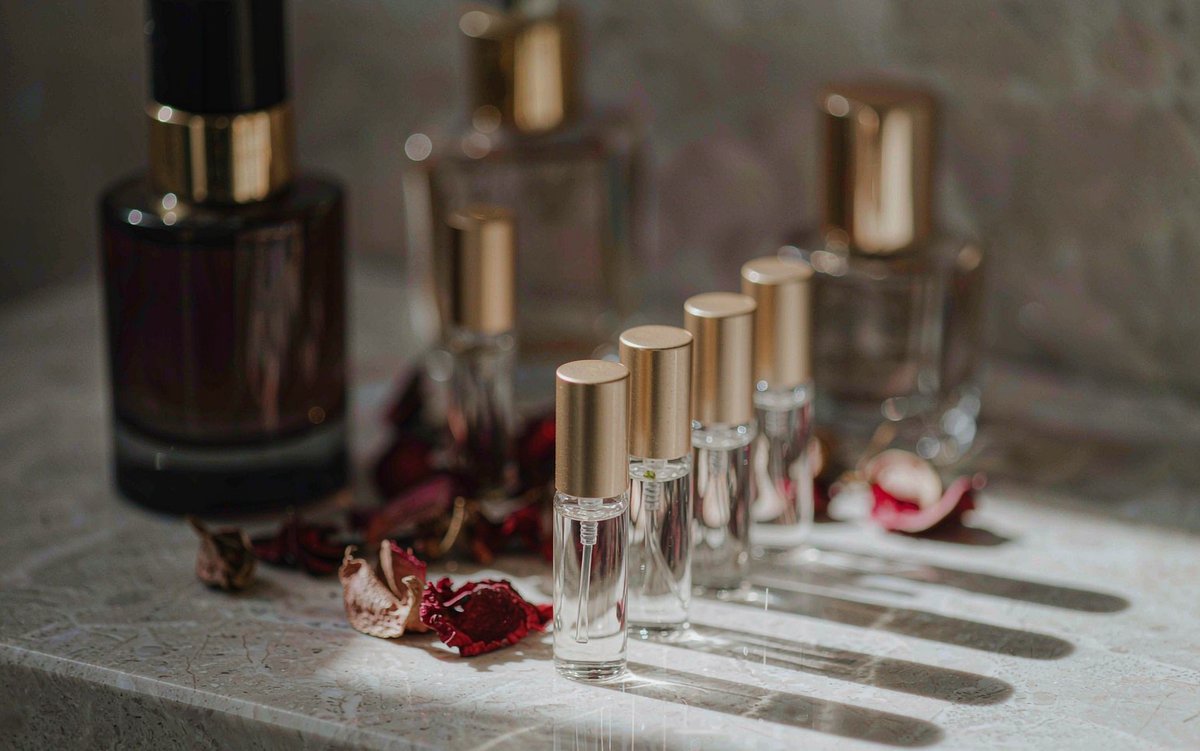
Never layer two fragrances on your skin for the first time at the same moment. Wear one in the morning, the other in the afternoon, on separate days. Once you know how each behaves on its own — how long it lasts, how it shifts, how it reacts with your skin — you can predict how they will behave together. Discovery sets and travel sizes are ideal for this stage. They let you try multiple bottles without committing to a full size, and they live well together on the same shelf while you experiment.
Build a Layering-Friendly Collection
Our catalogue spans woody, floral, gourmand, and oriental families, with multiple bottles from each house for easy same-brand combinations. Start with two fragrances that already feel related, wear them together, and let the layering happen naturally. Browse our Shop to find pairings that fit your style.