
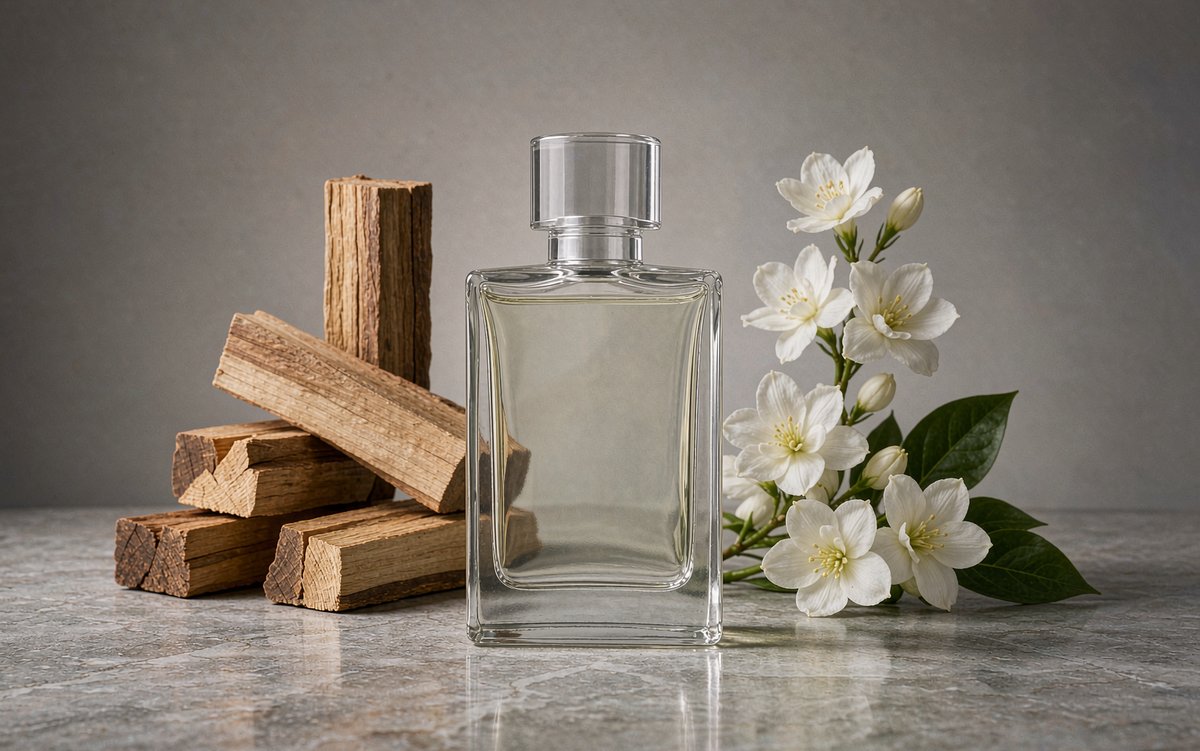
Perfume Has No Gender. Increasingly, Neither Does the Aisle.
For decades, fragrance shelves were split in two: florals and fruits marketed to women, woods and spices marketed to men. That division is quietly collapsing. Younger buyers in particular now choose fragrances based on personality and mood rather than packaging — and brands built around gender-free scents are among the fastest-growing names in perfumery.
The trend isn’t new. Some of the most influential fragrance houses never divided their collections by gender at all. What’s changed is the audience: today’s shopper wants a scent that feels individual, not assigned.

What Makes a Fragrance “Unisex”?
There’s no official definition — unisex simply means a scent that doesn’t lean conventionally feminine or masculine. In practice, certain note families wear beautifully on anyone:
- Woods and ambers — sandalwood, cedar, oud, and amber give warmth without direction.
- Incense and resins — smoky, meditative notes that read as sophisticated rather than gendered.
- Citrus and green tea — clean, bright, and universally easy to wear.
- Deep vanillas and leathers — rich gourmands and soft leather accords that sit close to the skin.
The Minimalist Movement: Less Complexity, More Character
One of the most talked-about approaches in modern perfumery is radical simplification — fragrances built around a single hero ingredient or molecule rather than a complex blend of dozens of notes. The result is a scent that smells slightly different on everyone who wears it, because there’s less to mask your own skin chemistry.
This “less is more” philosophy pairs naturally with the unisex movement: stripped of heavy florals or aggressive spices, these fragrances emphasize texture and purity over traditional gender coding.
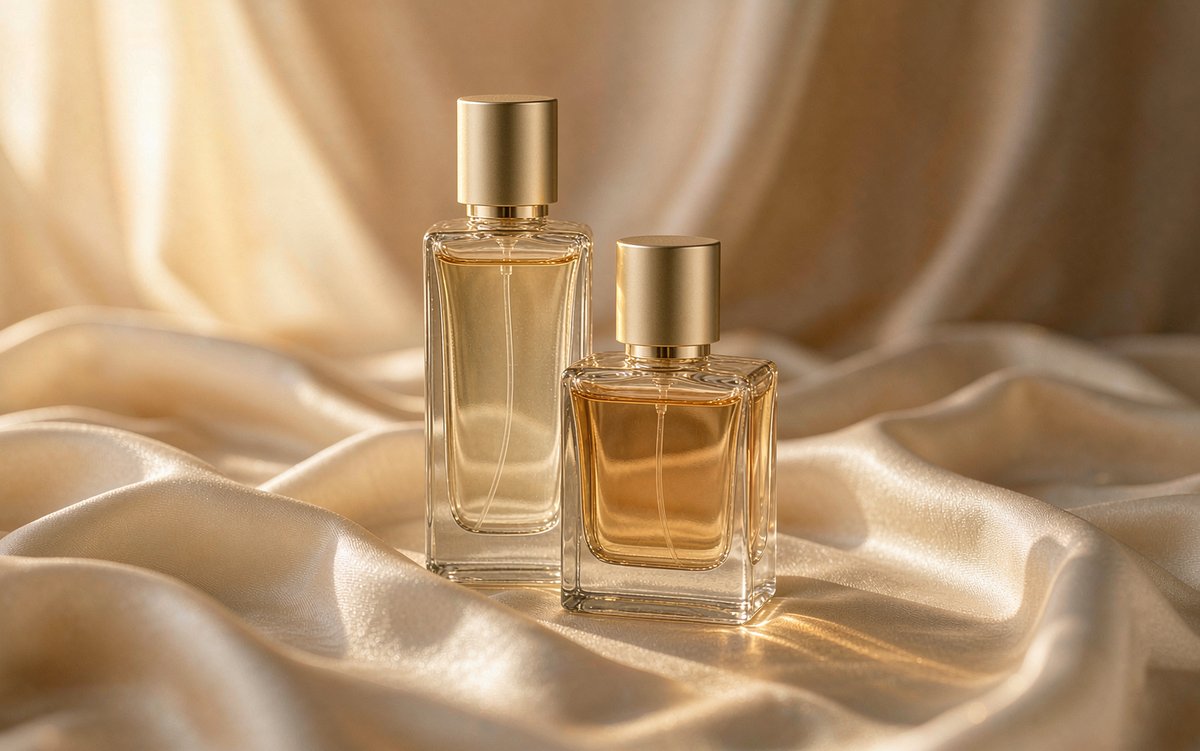
How to Wear Unisex Fragrances Well
- Judge on skin, not on paper. Minimalist and molecular scents especially evolve over hours — always test before deciding.
- Think in seasons. Citrus and tea notes shine in summer heat; ambers, ouds, and incense belong to cold evenings.
- Layer freely. Without competing gender signatures, unisex scents combine beautifully with one another.
Where to Start
Brands like Byredo built their reputation on exactly this aesthetic — spare, elegant, gender-neutral compositions like soft woods and clean musks. Jo Malone famously refuses gender labels across its entire catalogue, and Versace’s oud line shows how deep, resinous notes suit anyone who wants presence without shouting.
Browse our Shop and filter by your favorite note families — you might just find your next signature was never meant to have a label in the first place.