
Buying a fragrance based on the first spray on a paper strip is the number one reason bottles end up forgotten in a drawer. What you smell in the opening is only about ten percent of the story — the rest unfolds on your skin over hours. A better approach is to start from the style you naturally gravitate toward, then find the fragrance family that matches it. Here is a practical guide to doing exactly that.
Start With Your Style, Not the Bottle
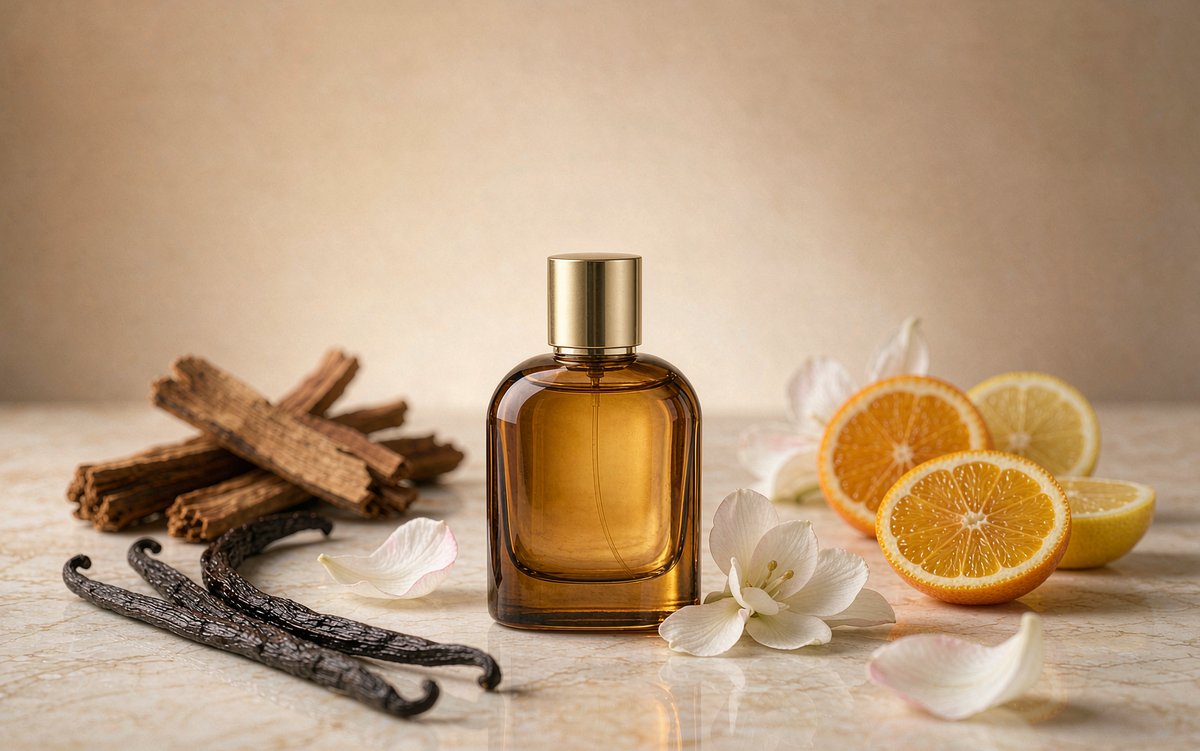
Fragrances fall into families — fresh, floral, woody, oriental, gourmand — and each family projects a different personality. Instead of asking “what smells good?”, ask “how do I want to be remembered?” That shift alone will narrow hundreds of options down to a handful that genuinely suit you.

The Clean Minimalist — Fresh and Woody
You prefer quiet confidence: no overwhelming sweetness, nothing loud. Look for fragrances built on juniper, cedarwood, sandalwood, and vetiver. These dry, clean woods feel like an extension of freshly laundered skin — understated, professional, and perfect for the office. A spicy-wood interpretation, like Byredo Bal d’Afrique with its woody warmth, shows how restrained woods can still feel distinctive rather than boring.
The Sweet Romantic — Gourmand Notes
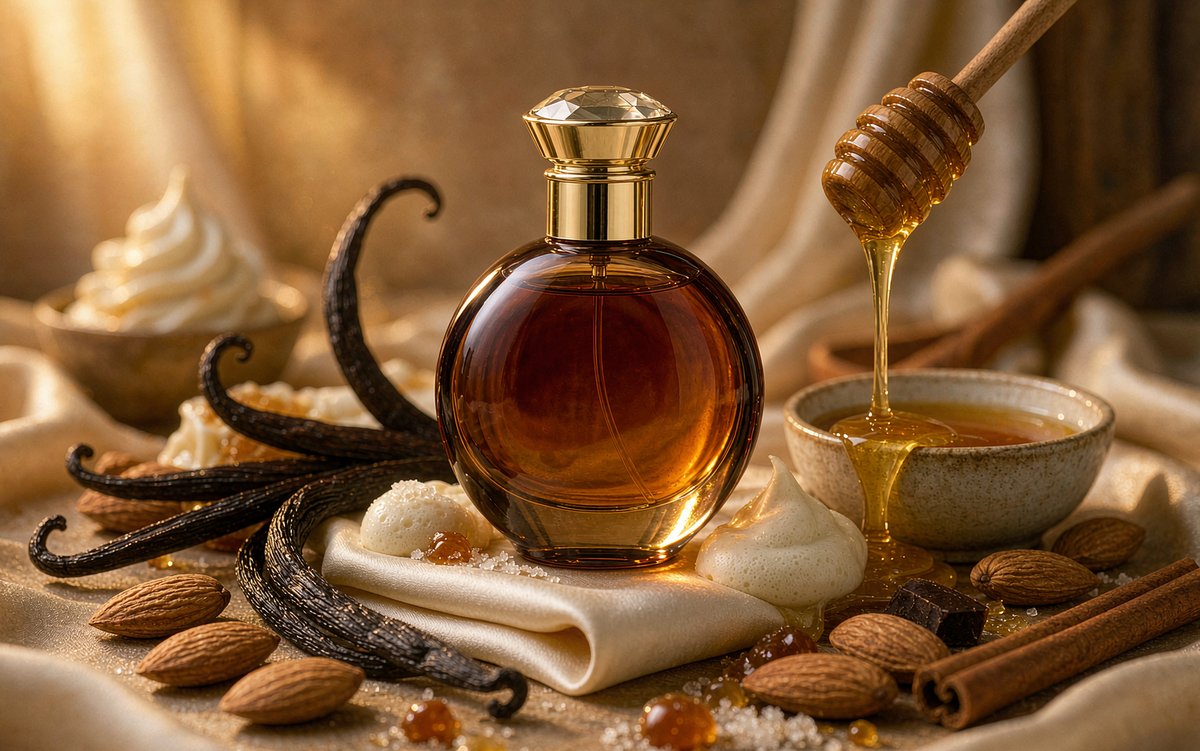
If vanilla, almond, honey, and creamy accords are what stop you in your tracks, the gourmand family is your home turf. The key is checking where those notes sit in the pyramid: sweet notes in the base create a long, gentle warmth, while sugar in the top notes often burns off within the hour. Sweet scents also perform beautifully in autumn and winter, where cooler air keeps the richness comfortable rather than cloying.
The Bold and Confident — Leather and Deep Orientals
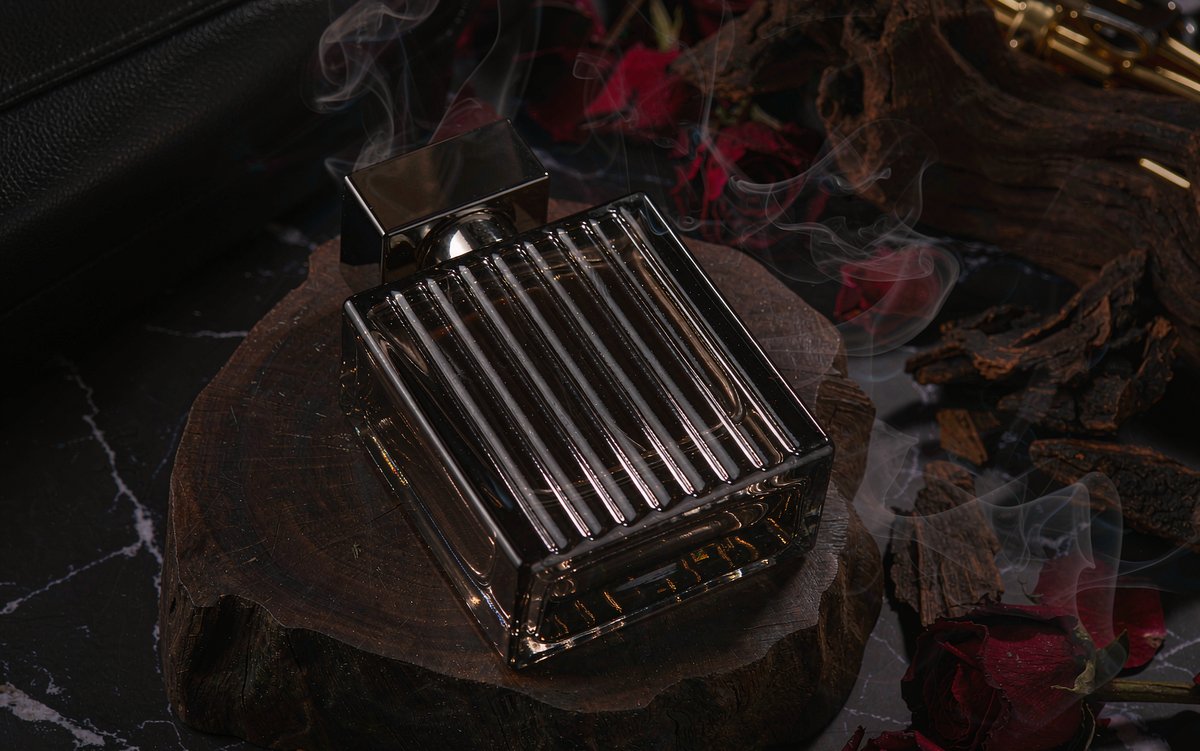
For presence that walks into the room before you do, explore leather, oud, and rich floral-oriental compositions. These are high-impact fragrances with real sillage — think Versace Black Oud or an opulent amber like Casamorati Luxury Banquet. One caution: powerful compositions need restraint. One or two sprays on pulse points is plenty; these scents are designed to be discovered, not announced from across the street.
The Everyday Classic — Citrus and Aquatic
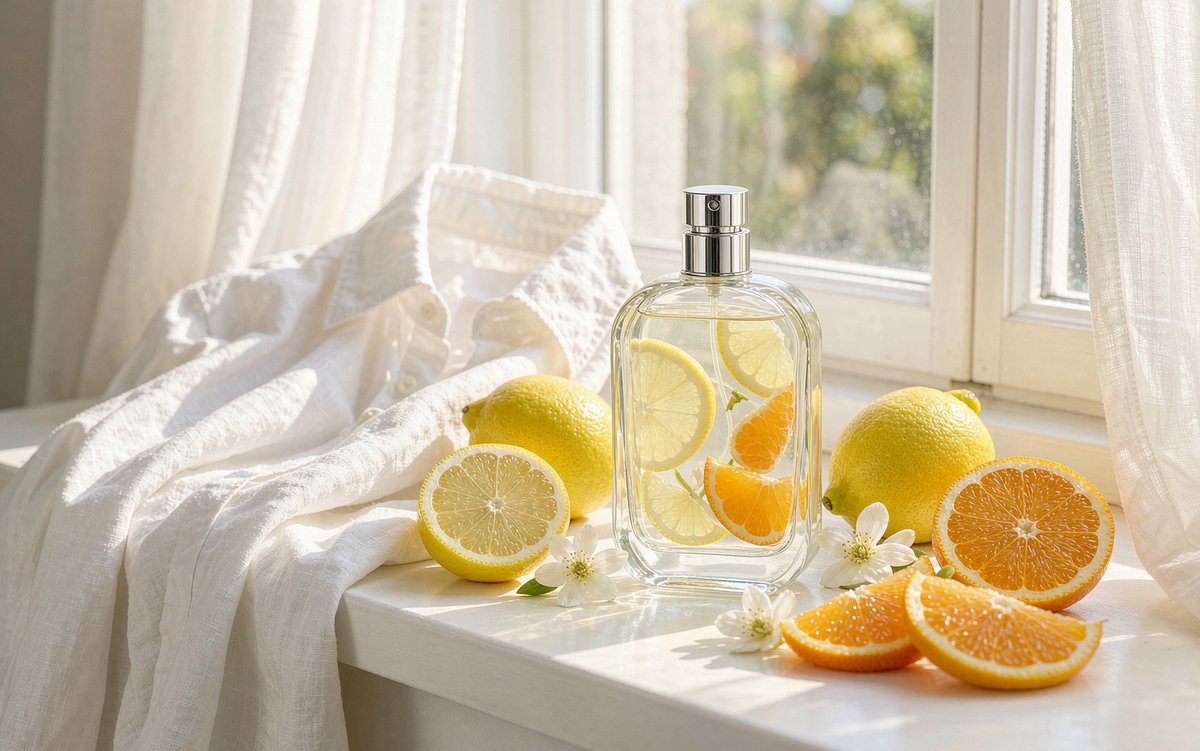
Sometimes you simply want to smell clean and put-together, whether at work or on weekends. Citrus, neroli, and soft musk combinations deliver that just-showered freshness, while aquatic notes add an easy, white-shirt breeziness. A light, versatile bottle — like a classic Jo Malone London cologne — is the fragrance equivalent of a favorite pair of jeans: it fits everywhere and never tries too hard.

The Collector — Niche and Layered Scents
Once you have your everyday signature, the fun begins. Niche houses like Amouage and Guerlain‘s exclusive collections offer complex compositions with real development — incense resins, green herbal notes, powdery iris — that reward attention. These are scents with opinions. They suit wearers who enjoy being asked “what are you wearing?” and don’t mind that the answer surprises people.
Three Rules Before You Buy
1. Judge the dry-down, not the opening. Spray, wait thirty minutes, then check again after two hours. The base notes are what you will live with.
2. Match the season. Fresh citrus and aquatic scents thrive in spring and summer; vanillas, ambers, and ouds belong to cold weather. The same bottle can feel elegant in December and overwhelming in July.
3. Test on clean skin. Scented shower gel, lotion, or another fragrance will distort your reading. Give the perfume honest skin and an honest verdict.
Looking for your next signature scent? Browse our Shop to explore fragrances by brand, family, and size.